lifeguard certification near me
Searching for lifeguard certification near me is one of the first steps for anyone who wants to work in aquatic safety, whether at a public swimming pool, beach, waterpark, or recreation center. Becoming a certified lifeguard requires more than just strong swimming skills—it demands professional training, first aid knowledge, and the ability to respond quickly and confidently during emergencies.
Across the world, the demand for qualified lifeguards continues to grow due to increased public awareness about water safety and the rising popularity of aquatic facilities. Whether you’re a teenager looking for a summer job, a fitness enthusiast seeking a rewarding part-time career, or a professional aiming to add a valuable skill set, lifeguard certification can open the door to many opportunities.
This article will guide you through everything you need to know about lifeguard certification: what it includes, where to find training near you, what the course involves, and how to choose the right program.
Understanding Lifeguard Certification
Lifeguard certification is an official qualification that shows you have been trained to prevent, recognize, and respond to aquatic emergencies. The goal is to equip you with the skills and knowledge needed to keep swimmers safe in various water environments.
Certification typically includes:
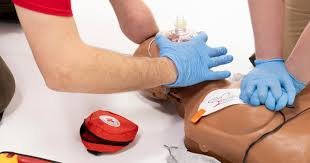
- CPR and AED training
- First aid skills
- Water rescue techniques
- Emergency communication skills
- Safety protocols and surveillance techniques
The certification is usually valid for two years, after which individuals are required to recertify to keep their credentials current.
Types of Lifeguard Certifications
Depending on where you plan to work, the type of certification you need may vary. Here are the most common types:
1. Pool Lifeguard Certification
This is the most widely available certification and is required for lifeguards who want to work at indoor or outdoor pools. Training focuses on shallow-water and deep-water rescues, CPR, and emergency strategies.
2. Waterfront Lifeguard Certification
This certification goes beyond standard pool training and prepares individuals to work at lakes, rivers, and other natural bodies of water. It includes rescue techniques adapted to currents, waves, and unpredictable conditions.
3. Waterpark Lifeguard Certification
Waterparks require specialized training due to the presence of slides, wave pools, and complex water structures. Lifeguards learn rescue strategies unique to these environments.
4. Ocean Lifeguard Certification
For beaches and oceanfront areas, lifeguards must undergo advanced training, including dealing with rip currents, surf conditions, and long-distance rescues.
Choosing the right certification depends on where you plan to work and the skills required for that specific environment.
What to Expect in a Lifeguard Training Course
Before searching for lifeguard certification near me, it’s helpful to understand what a training course includes. While different organizations may vary slightly, most follow a standard curriculum.
1. Classroom Learning
Trainees learn essential knowledge, including:
- Legal responsibilities
- Safety protocols
- Injury prevention
- Emergency action plans
Classroom learning often incorporates videos, manuals, and scenario-based discussions.
2. In-Water Training
Participants must demonstrate strong swimming abilities. Skills include:
- Swimming laps using specific strokes
- Treading water
- Deep-water retrieval
- Rescue techniques using equipment
- Extracting victims from the water
This portion ensures the trainee can remain calm and confident in emergency situations.
3. Physical Requirements
Before beginning the course, you may need to complete a swim test. Requirements often include:
- Swimming 300 yards continuously
- Treading water for 2 minutes
- Retrieving a 10-pound brick from the bottom of the pool
Meeting these physical standards ensures that trainees are fit enough to handle real-life rescues.
4. Written and Practical Exams
At the end of training, participants must pass:
- A written exam testing knowledge of lifeguarding principles
- A practical exam demonstrating rescue and first aid skills
Successful completion results in official certification.
Where to Find Lifeguard Certification Near Me
Finding a reliable training program is easier than ever due to the availability of national organizations that offer lifeguard courses across the country. For many people, the best place to start is with major certifying bodies.
Two widely recognized options include:
- The American Red Cross – Offers nationwide courses you can search by zip code: https://www.redcross.org
- YMCA Lifeguard Certification – A trusted option offering pool and waterfront training: https://www.ymca.net
These programs maintain high standards and are accepted by most employers.
You can also check:
- Local community centers
- Municipal swimming pools
- Aquatic training academies
- Universities and colleges
- Private fitness centers
Using search phrases like lifeguard classes near me, water safety certification near me, or lifeguard training schedule near me can help you locate the closest course options.
How to Choose the Right Certification Program
With several training providers available, it’s important to choose the right program. Here are key factors to consider:
1. Accreditation
Look for certifications that are nationally recognized. This ensures your certification is accepted at most aquatic facilities.
2. Instructor Expertise
Programs taught by experienced, certified instructors offer better training and support.
3. Facility Quality
Choose a training facility with:
- Clean pools
- Proper training equipment
- Safe practice environments
4. Schedule Flexibility
Make sure the course dates and times fit your availability. Some centers offer weekend-only or accelerated courses.
5. Cost
Lifeguard courses typically range from $200 to $400, depending on the program and location. Some employers reimburse certification costs after hiring.
6. Reviews or Recommendations
Check online reviews or ask friends for suggestions. A reputable program often has strong feedback from past trainees.
Benefits of Becoming a Certified Lifeguard
Lifeguard certification offers many benefits beyond employment opportunities.
1. Job Opportunities
Certified lifeguards are in high demand at:
- Pools
- Beaches
- Waterparks
- Resorts
- Gyms and recreation centers
2. Strong Skill Development
You’ll learn critical life skills such as:
- First aid
- Emergency conflict management
- Physical conditioning
- Leadership
- Problem-solving
3. Personal Growth
Lifeguards develop confidence, responsibility, and awareness—valuable traits for both personal and professional life.
4. Community Impact
Lifeguards play an essential role in preventing accidents and saving lives. The job is rewarding and meaningful as you contribute to public safety.
5. Flexible Work Opportunities
Many lifeguard jobs offer flexible schedules, making them perfect for:
- Students
- Seasonal workers
- Part-time employees
Recertification Requirements
Once you’re certified, maintaining your certification is essential. Recertification generally requires:
- A skills review
- Updated CPR and first aid training
- Practical test updates
- Renewal every two years
Recertification ensures lifeguards stay current with new rescue techniques and industry standards.
Tips for Success in Lifeguard Training
Preparing ahead of time can help you pass the course successfully.
- Practice swimming regularly to build endurance.
- Learn basic CPR skills before class to reduce pressure.
- Stay hydrated and rested, especially during water sessions.
- Ask questions—instructors are there to help.
- Review course materials before the exam.
By entering training with confidence and preparation, you can excel in both the theoretical and practical portions of the course.
Conclusion
Searching for lifeguard certification near me is the first step toward an exciting and impactful journey. Becoming a lifeguard is more than just a job—it’s a commitment to safety, responsibility, and helping others. Whether you want to work at a pool, beach, or waterpark, the right certification provides you with the skills needed to protect lives and respond to emergencies with confidence.
With a variety of training programs available through trusted organizations like the American Red Cross and YMCA, anyone can begin their path toward lifeguard certification. By choosing the right program, preparing well, and staying committed, you can earn your certification and open the door to meaningful opportunities in aquatic safety.
About the Author