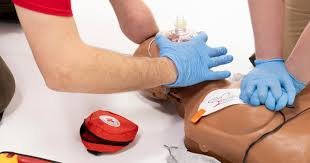
is national cpr foundation legit
Introduction to the National CPR Foundation
When people search online for quick and affordable CPR certification, one of the most common questions is: Is National CPR Foundation legit? With the rise of online learning and digital certification options, many platforms offer CPR, First Aid, BLS, ACLS, and PALS courses—but not all are equally credible.
The National CPR Foundation (NCF) is one of the most widely known online CPR and first-aid training organizations. Its certifications are used by healthcare workers, teachers, coaches, fitness instructors, caregivers, and corporate employees. However, because the training is online and often less expensive than in-person classes, many wonder whether NCF is trustworthy, recognized, and accepted by employers.
This detailed guide explains everything you need to know about the legitimacy of the National CPR Foundation, how it works, what employers accept it, and how to decide whether it’s the right choice for you.
What Is the National CPR Foundation?
The National CPR Foundation is an online education platform that provides CPR, First Aid, BLS, ACLS, and PALS certification courses directly through its website. The courses follow the latest AHA (American Heart Association) and ECC (Emergency Cardiovascular Care) guidelines, although NCF is not the AHA itself.
The platform is popular because it:
- Offers 100% online certification
- Provides instant certification and wallet cards
- Is low cost compared to in-person classes
- Lets users study at their own pace
- Has courses accessible to anyone, anywhere
These features make it especially appealing to busy professionals or students who need certification quickly.
Is the National CPR Foundation Legit?
The short answer: Yes, the National CPR Foundation is legit, but its acceptance depends on your employer and field.
The organization provides real training based on current medical guidelines, and thousands of people successfully use their certifications for employment requirements. Its courses also follow scientifically accepted standards for CPR and emergency care.
However, because it is not the American Heart Association or Red Cross, some workplaces—especially hospitals—may require certification from specific in-person programs.
So while NCF is legitimate, acceptance varies depending on:
- Workplace requirements
- State regulations
- Industry rules
- Specific employer preferences
Is the National CPR Foundation Accredited?
The National CPR Foundation is accredited by the Postgraduate Healthcare Council (PHC) and follows current AHA/ECC guidelines, but it is not directly affiliated with the American Heart Association.
Accreditation through PHC means that the organization’s curriculum meets recognized healthcare education standards.
In many cases, this makes NCF certification acceptable for:
- Schools
- Nursing homes
- Care facilities
- Gyms
- Daycare centers
- Non-medical workplaces
However, for hospitals, medical centers, and EMS agencies, only specific certifications are accepted—usually from the AHA or Red Cross.
How the National CPR Foundation Works
Before deciding if it’s right for you, it’s important to understand how the certification process works.
1. Choose a course
Users select from CPR, First Aid, BLS, ACLS, PALS, or combination courses.
2. Study the online materials
Training includes videos, text modules, guidelines, and step-by-step CPR demonstrations.
3. Take the final exam
The exam is multiple-choice and can be retaken if needed.
4. Receive certification
After passing, you immediately receive:
- A digital certificate
- A printable wallet card
- Optional mailed card
The process is fast, simple, and user-friendly.
Is Online CPR Training Accepted?
The biggest concern people have is whether online-only CPR training is accepted by employers.
Acceptance depends on the field:
Accepted in many cases
Online CPR certification is commonly accepted for:
- Teachers
- Coaches
- Personal trainers
- Security guards
- Babysitters
- Daycare workers
- Community volunteers
- Workplace safety training
These fields usually do not require in-person skills testing.
Not always accepted
Online CPR certification may not be accepted for:
- Hospital workers
- Nurses
- Medical students
- EMTs
- Firefighters
- Dental assistants
These roles often require hands-on skills testing, which NCF does not provide.
Pros of the National CPR Foundation
Many users choose NCF because it offers several advantages:
1. Affordable pricing
NCF courses are significantly cheaper than in-person options. For many users, cost is a major deciding factor.
2. Completely online
Users can complete the training anytime, anywhere, without scheduling a class.
3. Fast certification
You can get certified in the same day—ideal for employees facing deadlines.
4. Up-to-date guidelines
Courses follow the latest ECC and AHA science updates, ensuring accurate training.
5. High acceptance rate
Most non-medical employers accept NCF certification.
Cons of the National CPR Foundation
Despite being legitimate, there are limitations.
1. Not accepted everywhere
Some employers require AHA or Red Cross certification only, especially in medical fields.
2. No hands-on training
Physical practice on mannequins is not part of NCF’s online format, which reduces skill-building for some learners.
3. Varying employer policies
Even if the certification is valid, individual employers can still decline it.
4. Confusion with AHA
Some users mistakenly believe NCF is affiliated with the American Heart Association, which it is not.
Who Accepts National CPR Foundation Certification?
NCF certification is typically accepted in:
- Schools and universities
- Gyms and sports facilities
- Corporate offices
- Community organizations
- Childcare programs
- Long-term care homes
- Non-clinical private businesses
Because many workplaces simply require “CPR certification,” without specifying provider, NCF often fulfills the requirement.
Who Does NOT Accept National CPR Foundation Certification?
Some industries require certification ONLY from certain providers.
You may NOT be able to use NCF certification if you are:
- A nurse or nursing student
- A doctor or medical resident
- A hospital tech
- A dentist or dental assistant
- An EMT or paramedic
- A firefighter
These positions typically require AHA BLS, ACLS, or PALS training.
Signs That the National CPR Foundation Is Legit
Here are reasons people trust NCF:
- It has been operational for years
- It has thousands of verified reviews
- Courses follow recognized national guidelines
- Certifications include serial numbers
- Employers regularly approve the training
- It has verifiable business information
These elements confirm that NCF is a genuine training provider.
Reviews and Reputation
The National CPR Foundation has strong reviews across platforms like Trustpilot and Google, with many users reporting satisfaction regarding:
- Fast certification
- Easy-to-understand materials
- Employer acceptance
- Affordability
While some negative reviews mention employer rejection, this is usually due to industry-specific requirements—not because NCF is illegitimate.
Alternatives to the National CPR Foundation
If you need hands-on training or guaranteed hospital acceptance, consider alternatives:
- American Heart Association: https://www.heart.org
- American Red Cross: https://www.redcross.org
These organizations are universally accepted in the medical field. However, they are more expensive and require in-person attendance.
Should You Use the National CPR Foundation?
NCF is a great option if you:
- Need certification quickly
- Want an affordable program
- Don’t require hands-on skills testing
- Work in a non-medical field
- Need basic CPR or First Aid training
But it may NOT be right for you if you:
- Work in a hospital or EMS
- Need AHA-labeled certification
- Require skills evaluation with a mannequin
Choosing NCF depends on your personal and employer needs.
Conclusion
So, is the National CPR Foundation legit? Yes, it is a legitimate and widely used CPR certification provider that follows recognized medical guidelines. However, its acceptance depends heavily on your profession and employer.
For non-medical fields, NCF is affordable, fast, and reliable. For clinical healthcare workers, AHA or Red Cross certification is often mandatory.
Always check your employer’s requirements before enrolling. With the right expectations, NCF can be a convenient and effective way to earn CPR certification at your own pace.
About the Author