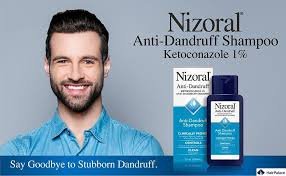
ketoconazole shampoo hair loss
Introduction to Ketoconazole Shampoo and Hair Loss
Hair loss affects millions of people worldwide, and finding an effective solution can feel overwhelming. One product that consistently appears in discussions, research articles, and dermatologist recommendations is ketoconazole shampoo. Originally developed to treat fungal scalp infections and dandruff, ketoconazole has gained significant recognition for its potential role in improving hair density, reducing shedding, and even supporting regrowth in certain conditions.
People often search for whether ketoconazole shampoo helps with hair loss, why it works, and whether it is suitable for their particular type of hair thinning. This article covers everything you need to know, including scientific research, benefits, usage tips, side effects, and how ketoconazole compares to other hair-loss treatments.
What Is Ketoconazole Shampoo?
Ketoconazole shampoo is a medicated shampoo formulated to treat fungal infections, dandruff, and conditions like seborrheic dermatitis. Ketoconazole is an antifungal agent that reduces fungus and inflammation on the scalp. The shampoo is available in different strengths, most commonly:
- 1% ketoconazole (over-the-counter)
- 2% ketoconazole (prescription strength in many countries)
While its primary purpose is not hair loss, research shows that ketoconazole has beneficial effects on conditions that lead to thinning hair, especially androgenetic alopecia, also known as male or female pattern baldness.
Does Ketoconazole Shampoo Help With Hair Loss?
Yes, ketoconazole shampoo has been shown to help with hair loss in multiple ways. It is not a miracle cure or a stand-alone regrowth solution, but it is often considered a powerful supporting treatment. Several studies suggest that ketoconazole may be as effective as 2% minoxidil in some cases when used regularly.
Its benefits for hair loss are mainly linked to its ability to reduce inflammation, treat dandruff, and possibly lower levels of DHT, the hormone responsible for pattern hair loss.
How Ketoconazole Works for Hair Loss
Understanding why ketoconazole helps requires looking at how hair loss occurs and what factors contribute to it. Ketoconazole supports hair health in the following ways:
1. Reduces Scalp DHT Levels
DHT (dihydrotestosterone) is one of the main causes of androgenetic alopecia. It miniaturizes hair follicles, causing thinner and weaker hair over time. Studies suggest ketoconazole may reduce DHT buildup on the scalp, potentially slowing hair thinning.
2. Treats Dandruff and Seborrheic Dermatitis
Dandruff and seborrheic dermatitis cause inflammation, itching, and irritation that can worsen hair shedding. Ketoconazole effectively treats these issues, creating a healthier scalp environment for growth.
3. Decreases Inflammation
Chronic inflammation around hair follicles can disrupt the growth cycle. Ketoconazole has anti-inflammatory properties that help calm the scalp and support stronger hair.
4. Improves Scalp Health and Follicle Function
Healthy follicles produce healthier hair. By reducing fungal growth and improving scalp hygiene, ketoconazole helps hair grow in a cleaner, less hostile environment.
Scientific Studies Supporting Ketoconazole for Hair Loss
Multiple studies highlight ketoconazole’s potential role in improving hair density and reducing shedding. One important study showed that 2% ketoconazole shampoo increased hair shaft thickness and improved hair growth similarly to minoxidil when used regularly.
Research shows improvement in:
- Hair density
- Hair thickness
- Hair strength
- Scalp health
Although it is not approved solely for hair loss treatment, many dermatologists recommend it as part of a full hair-loss routine.
Types of Hair Loss Ketoconazole May Help With
While ketoconazole cannot treat every form of hair loss, it is helpful for several common conditions.
1. Androgenetic Alopecia (Pattern Baldness)
This is the condition where ketoconazole shows the most promise. By reducing inflammation and possibly DHT, it supports better hair growth.
2. Seborrheic Dermatitis-Related Shedding
If dandruff or dermatitis is causing increased shedding, ketoconazole can dramatically reduce symptoms and improve hair retention.
3. Telogen Effluvium (Stress-Related Shedding)
While it doesn’t treat the root cause, it helps reduce scalp irritation and improve overall hair health.
4. Fungal Hair Loss Conditions
Ketoconazole directly treats fungal infections that contribute to breakage and patchy hair loss.
Benefits of Using Ketoconazole Shampoo
People experiencing hair thinning often notice several benefits after adding ketoconazole shampoo to their routine.
1. Stronger, Thicker Hair Over Time
Many users report visible improvements in thickness and body after consistent use.
2. Reduced Scalp Irritation
By eliminating fungal overgrowth and calming inflammation, it reduces itchiness and redness.
3. Supports Other Hair Loss Treatments
Ketoconazole pairs extremely well with treatments like:
- Minoxidil
- Finasteride
- Microneedling
It enhances scalp health, allowing these treatments to work more effectively.
4. Helps Maintain a Clean, Healthy Scalp
Cleaner follicles mean better hair growth and stronger roots.
How to Use Ketoconazole Shampoo for Best Results
To maximize benefits, follow these steps:
1. Use 2–3 times per week
More frequent use can dry the scalp. Dermatologists recommend use every other day or twice weekly.
2. Leave it on the scalp for 3–5 minutes
This gives the active ingredient time to work.
3. Apply only to the scalp
The shampoo is medicated, so it does not need to be massaged through all your hair.
4. Use a hydrating conditioner afterward
Ketoconazole can be drying, so moisture is important.
5. Stay consistent
Results typically appear after 8–12 weeks of regular use.
Side Effects of Ketoconazole Shampoo
Like any medicated product, ketoconazole may cause mild side effects, though most people tolerate it well.
Possible side effects include:
- Dry scalp
- Temporary shedding (rare)
- Redness or irritation
- Brittle hair
- Mild itching
If irritation becomes severe, dermatologists recommend reducing usage or switching to a lower percentage.
Who Should Avoid Ketoconazole Shampoo?
It may not be suitable for:
- People with extremely dry or sensitive scalps
- Individuals allergic to antifungals
- Those using multiple scalp medications without medical guidance
- Pregnant or breastfeeding individuals without physician approval
Always consult a dermatologist if unsure.
How Ketoconazole Compares to Other Hair-Loss Shampoos
There are many shampoos on the market claiming to help with hair loss, including caffeine shampoos, biotin shampoos, and saw palmetto shampoos. Here’s how ketoconazole compares:
Biotin Shampoo vs. Ketoconazole
Biotin improves hair strength but does not target the causes of hair loss like inflammation or DHT. Ketoconazole is more effective for thinning.
Caffeine Shampoo vs. Ketoconazole
Caffeine may stimulate follicles temporarily, but clinical evidence is limited. Ketoconazole has stronger research support.
DHT-Blocking Shampoos vs. Ketoconazole
Many “DHT blockers” do not actually impact DHT levels. Ketoconazole has clinical evidence showing potential DHT reduction.
Where to Buy Ketoconazole Shampoo
Ketoconazole shampoo is available through both OTC and prescription sources. Trusted sources include:
- Over-the-counter 1% products
- Dermatologist-prescribed 2% versions
Helpful informational links:
Avoid online sellers with unclear ingredient lists or misleading claims.
Should You Use Ketoconazole Shampoo for Hair Loss?
Ketoconazole is not a complete cure for hair loss, but it is one of the best scientifically backed supporting treatments available. It’s especially useful for people with:
- Pattern baldness
- Dandruff
- Scalp inflammation
- Excess oil production
- Combined hair-loss and scalp issues
If you want to improve scalp health and support stronger, thicker hair, ketoconazole is an excellent addition to a hair-care routine.
Conclusion
Ketoconazole shampoo is one of the most effective scalp treatments available for people experiencing hair loss, dandruff, or inflammation. Its antifungal, anti-inflammatory, and potential anti-DHT properties make it a powerful tool for improving hair thickness and reducing shedding. While not a miracle cure or stand-alone solution, it is widely regarded as an important part of a comprehensive hair-loss strategy.
With consistent use, it can support healthier follicles, improve scalp conditions, and enhance the effectiveness of other hair-growth treatments. If you struggle with thinning hair or scalp issues, ketoconazole shampoo may be a valuable addition to your routine.
About the Author